Do you think art can transform a neighborhood? That an artistic intervention can change the way we view a street or a plaza? And what happens when we stop being spectators and become creators of a shared experience?
We often think of art as a form of individual expression, but what happens when creation leaves the studios, museums, and schools and moves out onto the street? When it blends with everyday life, with passersby, with spontaneous conversations, and with the different ways of living in and understanding the same place?
At Traç, we believe that art has an extraordinary capacity to transform not only the spaces we inhabit but also the relationships we build. Art can spark unexpected encounters, open our eyes to new perspectives, and forge connections between people who might otherwise never have shared an experience.
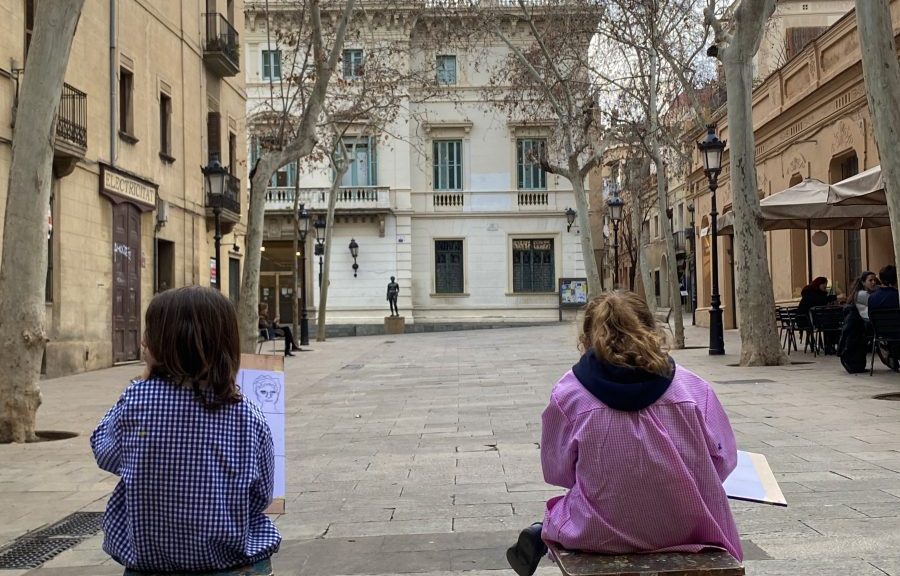
But who does the street belong to? Who decides what happens there and how we use it?
Public space is not just a collection of streets, buildings, and plazas. It is also a social space, shaped by the experiences, relationships, and meanings we share. Places have more than just a physical dimension, they also have a symbolic and emotional dimension. The memories, experiences, and relationships we form are part of how we perceive these places and feel a sense of ownership over them.
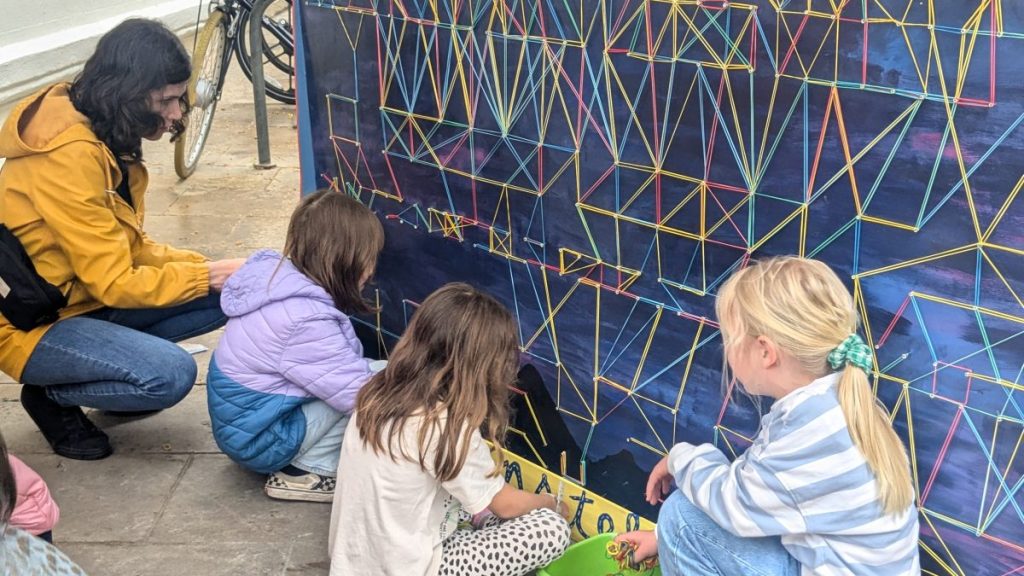
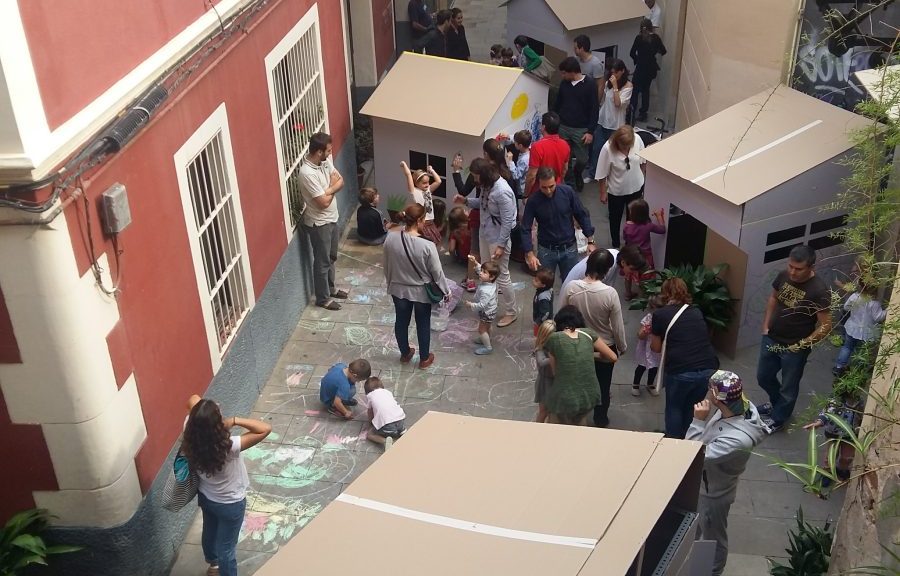
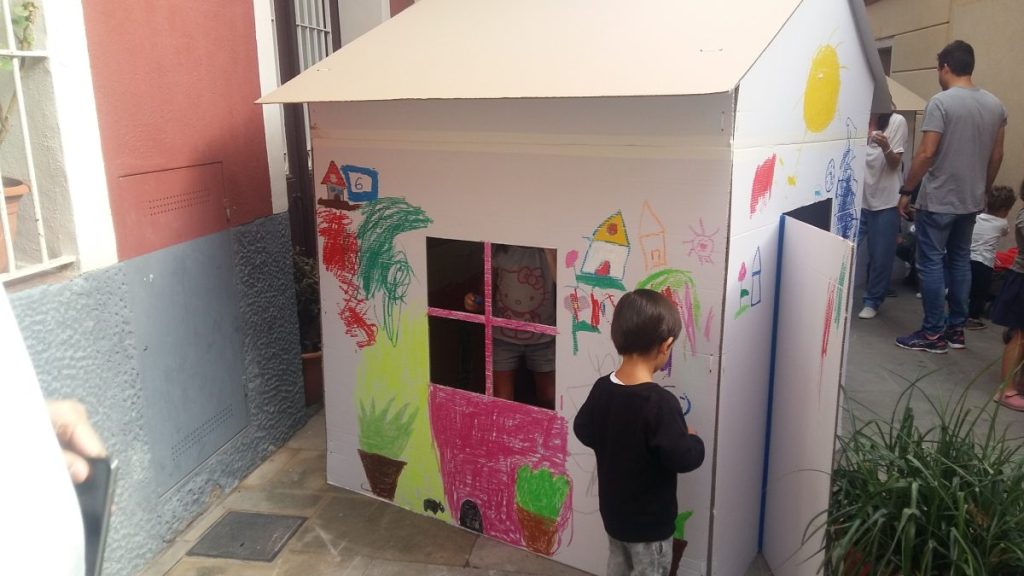
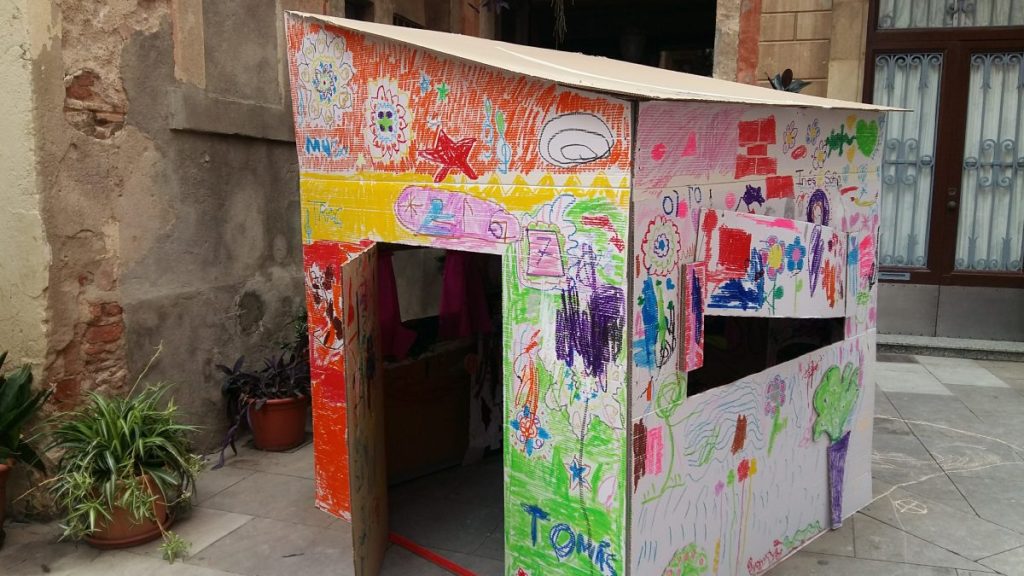
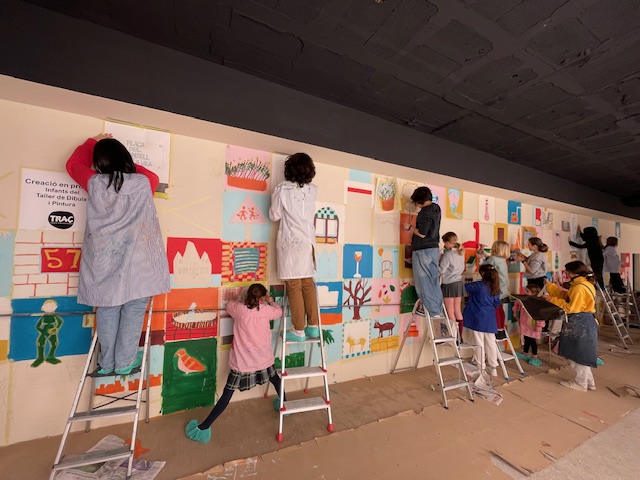
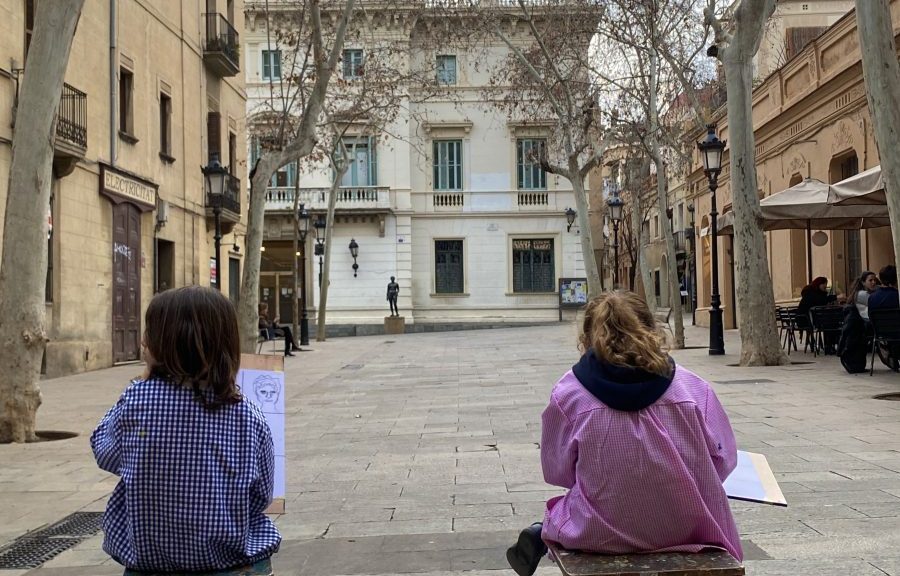
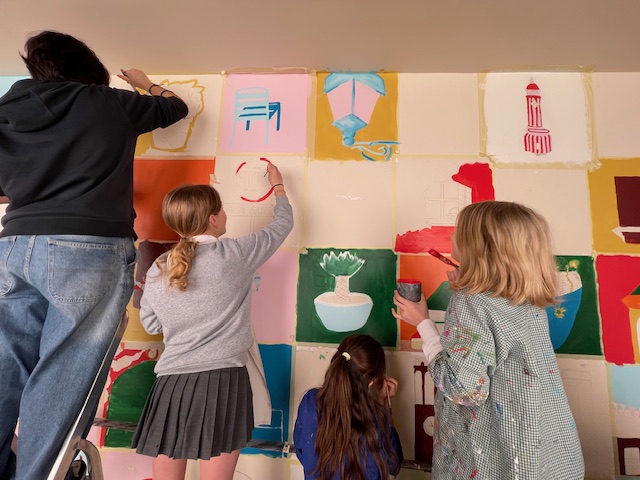
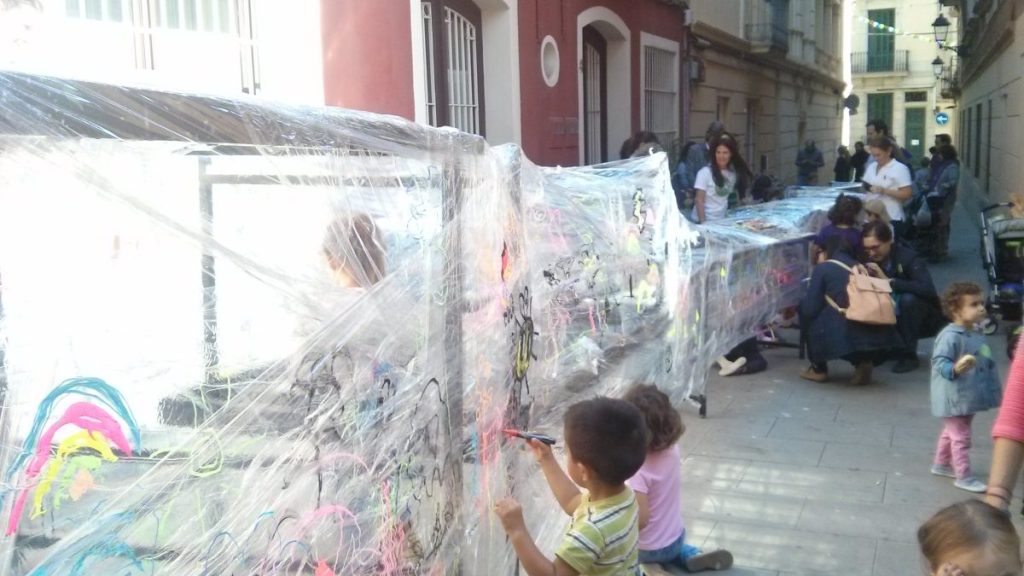
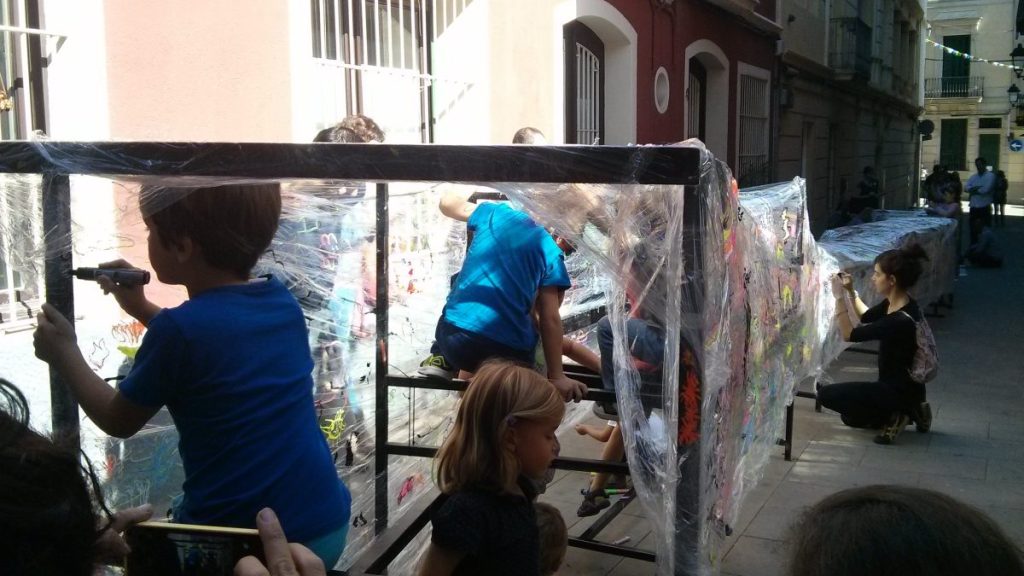
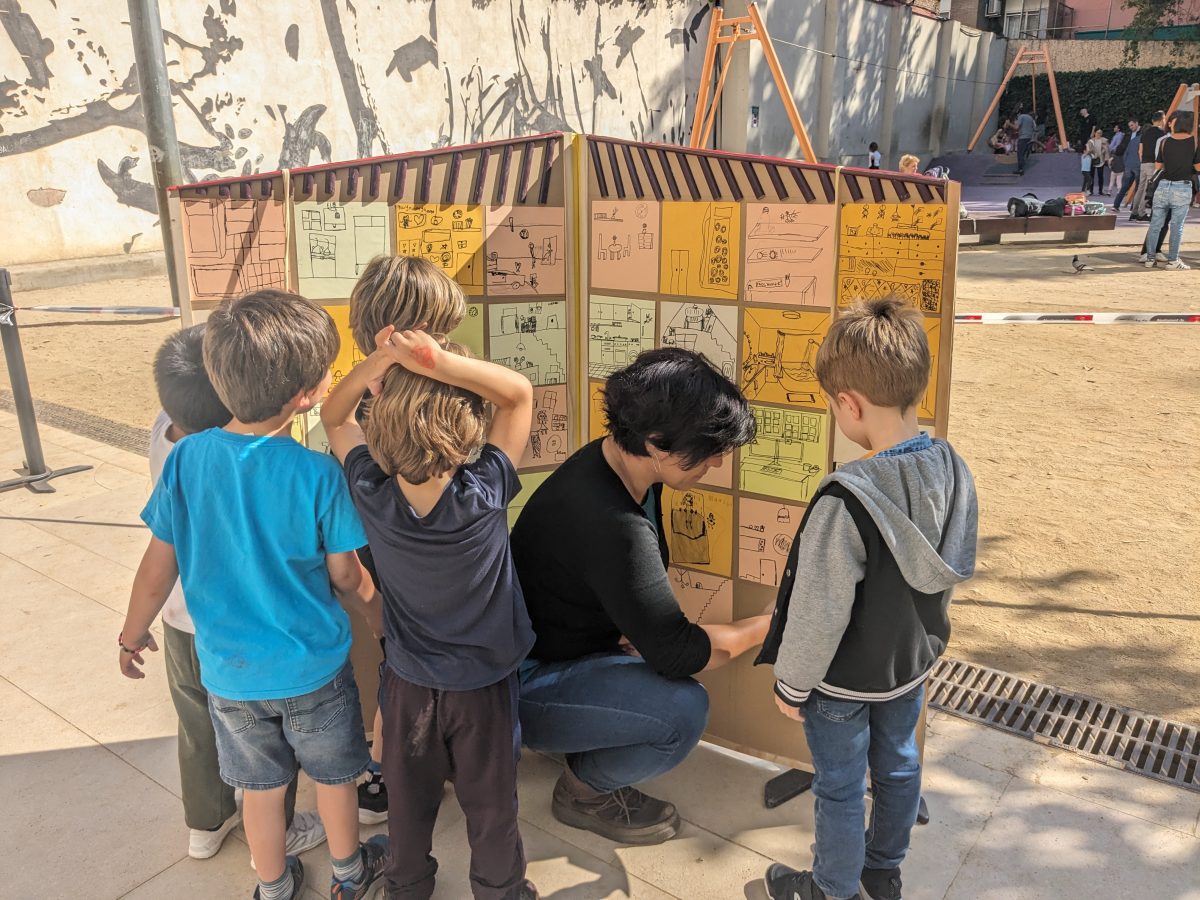
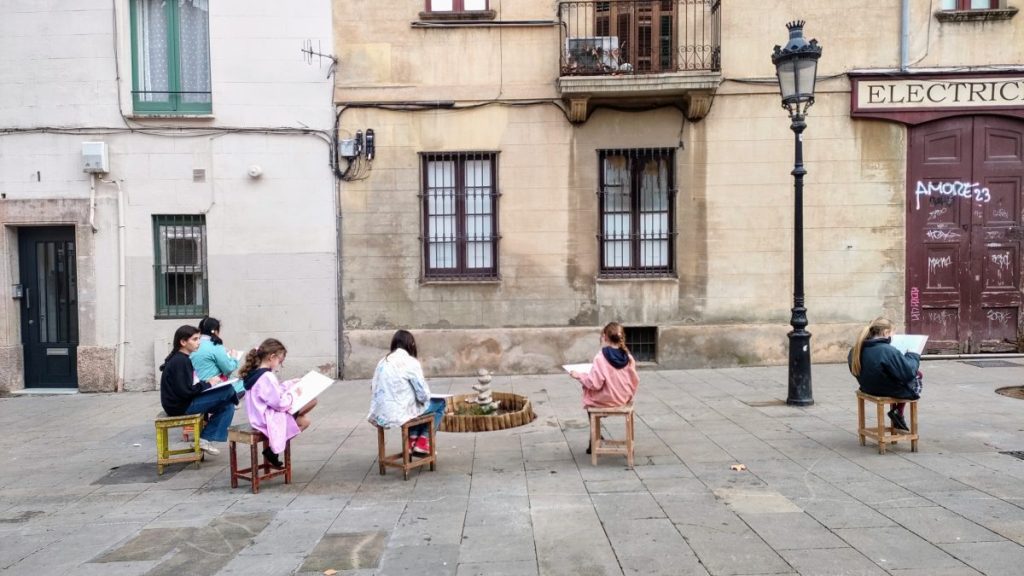
When we artistically intervene in a space (even if only temporarily) we can alter its usual uses and discover possibilities we hadn’t previously imagined. A square can become a creative workshop, a wall a collective artwork, or a street a space for play and experimentation. These small transformations invite us to see the everyday through new eyes and to rethink our relationship with our surroundings.
What happens when a work of art no longer has a single author and is created collaboratively by many people?
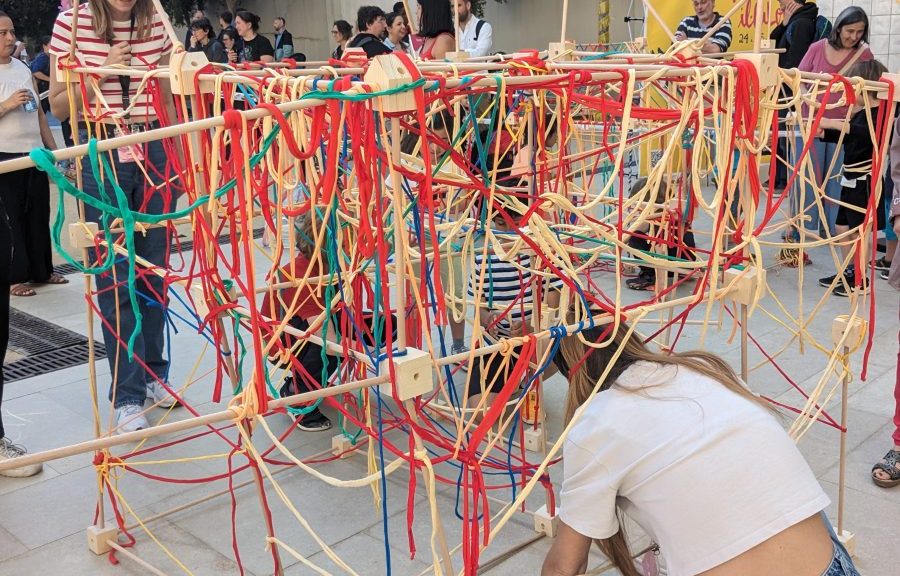
We are particularly interested in participatory art because it shifts the focus from the artwork itself to the experience of creating together. The creative process becomes a space for connection where participants must listen, share ideas, make decisions, negotiate, and build upon each other’s contributions.
In these processes, people of different ages, experiences, and sensibilities can come together. A child may offer a spontaneous and unexpected perspective, while an adult may bring other knowledge and life experiences to the table. There is no single “right” way to participate: everyone can find their place and contribute based on their abilities and interests.
From this perspective, the value of art lies not only in the finished work but also in everything that happens as we create it: the conversations, the discoveries, the shared decisions, the bonds that form, and the lessons we take away.
Community art also invites us to reflect on our relationship with what we share. Participating in the symbolic transformation of a space can foster a sense of belonging and shared responsibility. It is not about claiming the street as our own possession, but rather about recognizing that it is a shared space that we can collectively care for, imagine, and build.
In this sense, art can have a social and transformative dimension. Not because an artistic activity alone can solve a community’s problems, but because it can open up spaces for dialogue, bring different identities to light, and generate new forms of participation. It allows us to move from being mere spectators of neighborhood life to feeling like active participants in what is happening.
What remains when an art project disappears?
Perhaps a mural will last for years, while an ephemeral installation will exist for only a few hours. But what we have experienced together can leave an imprint that goes beyond the artwork itself.
A square transformed into a workshop, a creation built by many hands, or giant puppets parading through the streets can all become shared experiences that become part of the neighborhood’s collective memory. Because places are also shaped by the stories we live through and then remember and recount.
At Traç, we understand that arts education is not solely about learning techniques or developing creative skills. It is also a way to learn to observe, to listen, to live together, and to engage with the world through sensitivity and imagination.
That’s why we want creativity to go beyond the school’s walls and blend into everyday life. We want to create spaces where children, youth, and adults can experiment, play, express themselves, and share creative processes.
“Traç en la calle” is our way of building community. It’s about opening the school to its surroundings, participating in community life, and contributing through art to building a neighborhood that’s more vibrant, closer-knit, and more shared.
Because, after all, making art together is also a way to get to know one another, to cherish what we have in common, and to imagine other ways of living in the world.
Here are some photos of participatory projects and workshops that Traç has organized outside its doors!